


The Role of a Ride Leader in Cycling
Cycling is more than just a sport or a way to get from A to B. It’s a community, a lifestyle, and for many, a source of joy and wellbeing. If you’ve ever joined a group ride, you might have noticed someone at the front, guiding the way, setting the pace, and keeping everyone safe. That person is the Ride leader. But what exactly does a ride leader do, and why is their role so important? Let me take you through the ins and outs of this vital position and share some ride leader benefits that might inspire you to take on the role yourself.
Why Having a Ride Leader Makes All the Difference
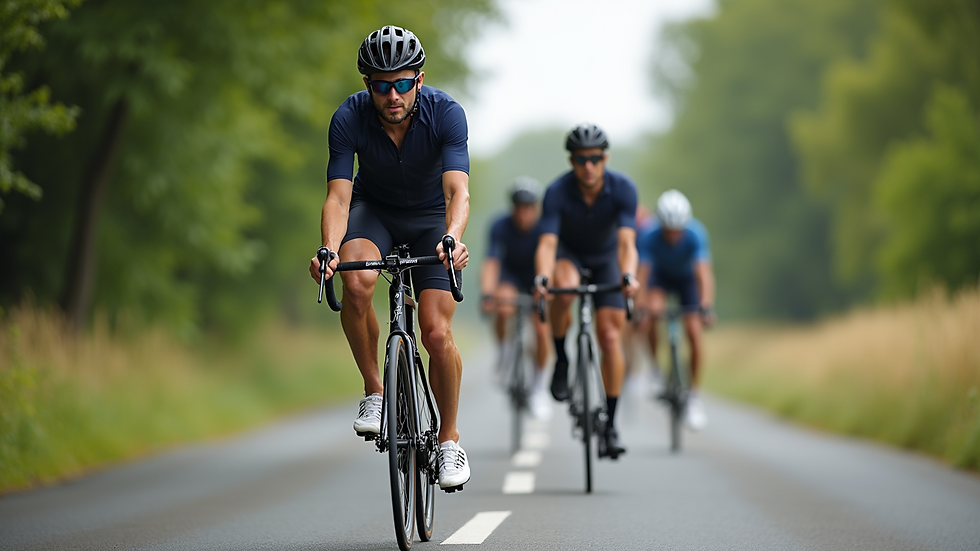
When you’re out cycling with a group, the experience can be vastly different from riding solo. A ride leader helps create a smooth, enjoyable, and safe ride for everyone involved. They plan the route, manage the pace, and look out for the group’s wellbeing. This means you can focus on enjoying the ride without worrying about navigation or safety concerns.
One of the biggest benefits of having a ride leader is the sense of security they provide. They know the roads, the best cycling paths, and how to handle unexpected situations like traffic or mechanical issues. This is especially important if you’re new to group rides or cycling in unfamiliar areas.
Moreover, a ride leader encourages camaraderie and inclusivity. They make sure no one gets left behind and that everyone feels comfortable and supported. This is crucial for building confidence, especially for women in perimenopause or post-menopause who might be returning to exercise or looking for a supportive fitness community.
Exploring the Ride Leader Benefits for You and Your Group
Taking on the role of a ride leader comes with plenty of personal and group benefits. For starters, it’s a fantastic way to improve your own cycling skills. Leading a group means you need to be aware of your surroundings, maintain a steady pace, and communicate clearly. These skills translate into better overall cycling technique and confidence.
Another benefit is the opportunity to build leadership and organisational skills. Planning routes, managing group dynamics, and handling emergencies require quick thinking and good judgement. These are valuable skills that extend beyond cycling and into everyday life.
For the group, having a dedicated ride leader means rides are more structured and enjoyable. Everyone knows what to expect, and the ride flows smoothly. This can encourage more regular participation and help build a strong, supportive cycling community.
If you’re someone who enjoys helping others and being part of a team, becoming a ride leader can be deeply rewarding. You get to share your passion for cycling, support others in their fitness journey, and create a positive environment where everyone can thrive.

What is the Ride Leader Award?
If you’re interested in becoming a ride leader, you might want to know about the Ride Leader Award. This is a recognised qualification that equips you with the knowledge and skills needed to lead group rides safely and effectively.
The award covers essential topics such as route planning, group management, safety protocols, and communication techniques. It’s designed to boost your confidence and ensure you’re prepared for any situation that might arise during a ride.
Completing the Ride Leader Award not only benefits you but also reassures your group that they’re in safe hands. It’s a great way to formalise your role and show your commitment to cycling leadership.
Many cycling clubs and organisations offer training courses for this award. It’s worth checking out local options or online resources to get started.

How to Become an Effective Ride Leader
Becoming a great ride leader isn’t just about knowing how to ride a bike well. It’s about being a good communicator, a thoughtful planner, and a supportive presence. Here are some practical tips to help you excel:
Know Your Route - Familiarise yourself with the terrain, traffic conditions, and potential hazards. Have a backup plan in case of road closures or bad weather.
Set a Comfortable Pace - Remember, the goal is to keep the group together and ensure everyone enjoys the ride. Adjust your speed to accommodate the slowest riders.
Communicate Clearly - Use hand signals, verbal cues, and pre-ride briefings to keep everyone informed. Make sure riders know what to expect and how to behave in traffic.
Be Prepared - Carry basic tools, a first aid kit, and emergency contact information. Know how to handle common mechanical issues like flat tyres.
Encourage and Support - Check in with riders during the ride, especially those who might be struggling. Offer encouragement and be patient.
By focusing on these areas, you’ll create a positive experience that keeps riders coming back.
Why You Should Consider Leading Your Next Group Ride
If you’re looking for a way to deepen your connection with cycling and your community, stepping up as a ride leader is a fantastic choice. It’s a role that challenges you, helps you grow, and allows you to give back.
For women navigating the changes of perimenopause or post-menopause, leading rides can be empowering. It’s a chance to build strength, confidence, and friendships in a supportive environment. Plus, it aligns perfectly with the goals of personalised coaching and fitness that adapt to your unique needs.
Whether you’re an experienced cyclist or someone looking to take the next step, becoming a ride leader can open new doors. You’ll gain skills, make new friends, and enjoy the satisfaction of helping others discover the joy of cycling.
If you want to learn more about how to become a ride leader or find support in your cycling journey, check out DK Personal Trainer’s cycling resources. They offer tailored advice and coaching to help you reach your fitness goals safely and enjoyably.
Taking on the role of a ride leader is more than just guiding a group. It’s about creating a safe, fun, and inclusive space where everyone can thrive. So why not give it a go? You might just find it’s one of the most rewarding rides you ever take.


Comments