


Optimised Nutrition Tips for Menopause Well-being
Menopause is a natural phase in life, but it can bring some unwelcome changes. You might notice shifts in energy, mood, or even your body shape. The good news? What you eat can make a big difference. By focusing on healthy menopause nutrition, you can support your body through this transition and feel your best every day.
Why Healthy Menopause Nutrition Matters
When you hit menopause, your hormone levels change, especially oestrogen. This affects how your body uses nutrients and stores fat. You might find yourself gaining weight more easily or feeling more tired. Eating well helps balance these changes.
For example, calcium and vitamin D become even more important to keep your bones strong. Protein helps maintain muscle mass, which naturally declines with age. And fibre supports digestion and heart health, which are key concerns during menopause.
By choosing the right foods, you can reduce hot flashes, improve sleep, and boost your mood. It’s not about strict diets or cutting out everything you love. Instead, it’s about making smart, manageable choices that fit your lifestyle.

Building Your Healthy Menopause Nutrition Plate
Let’s talk about what your plate should look like. A balanced meal during menopause includes:
Lean protein: Think chicken, fish, beans, or tofu. Protein helps keep your muscles strong and supports metabolism.
Whole grains: Brown rice, quinoa, oats, and whole wheat bread provide steady energy and fibre.
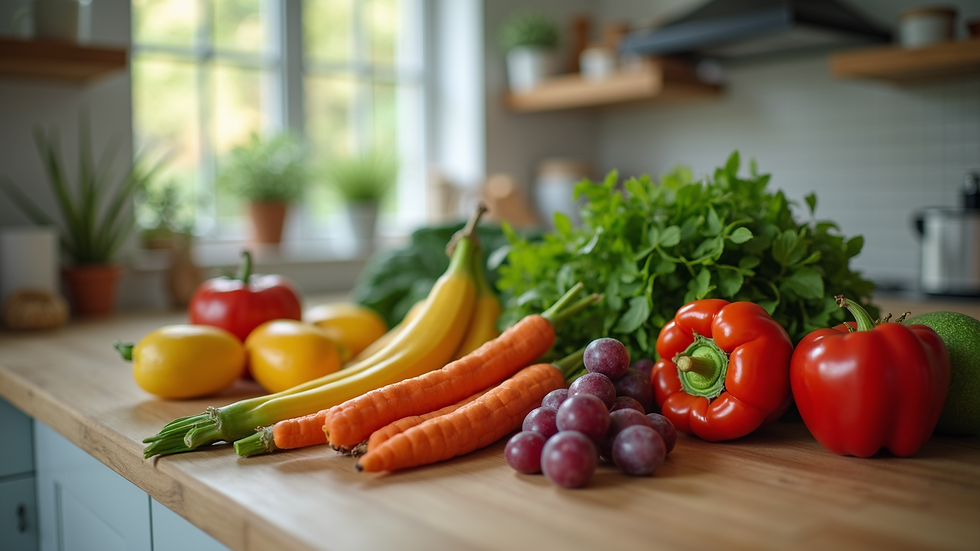
Fruits and vegetables: Aim for a rainbow of colours. These foods are packed with antioxidants and vitamins that fight inflammation.
Healthy fats: Avocado, nuts, seeds, and olive oil support brain health and hormone production.
Calcium-rich foods: Dairy or fortified plant milks, leafy greens, and almonds help protect your bones.
Try to eat regularly and avoid long gaps between meals. This keeps your blood sugar stable and helps manage cravings.
If you want to dive deeper into nutrition for menopause, there are great resources and coaching options that can guide you personally.
What Not to Eat When Menopausal?
Certain foods can make menopause symptoms worse. It’s best to limit or avoid:
Caffeine: Too much can trigger hot flashes and disrupt sleep.
Alcohol: It may increase night sweats and affect mood.
Sugary snacks and drinks: These cause blood sugar spikes and crashes, leading to irritability and energy dips.
Highly processed foods: Often high in salt, sugar, and unhealthy fats, they can increase inflammation and weight gain.
Spicy foods: For some, these can worsen hot flashes.
Instead, focus on whole, natural foods that nourish your body. If you do indulge, keep it moderate and notice how your body reacts.
Hydration and Supplements: What You Need to Know
Drinking enough water is crucial during menopause. It helps with digestion, skin health, and can reduce bloating. Aim for at least 1.5 to 2 litres a day, more if you’re active.
Supplements can fill gaps in your diet, but they’re not a replacement for good food. Some helpful ones include:
Calcium and vitamin D: To support bone health.
Magnesium: May help with sleep and muscle cramps.
Omega-3 fatty acids: Found in fish oil, these support heart and brain health.
B vitamins: Important for energy and mood.
Always chat with your healthcare provider before starting supplements. They can help you choose what’s right for you.
Staying Active to Complement Your Nutrition
Nutrition and exercise go hand in hand. Staying active helps manage weight, boosts mood, and strengthens bones and muscles. You don’t need to run marathons. Simple activities like walking, yoga, or strength training can make a big difference.
Try to include:
Strength training: Twice a week to maintain muscle mass.
Cardio: Like brisk walking or cycling, for heart health.
Flexibility exercises: Such as stretching or Pilates, to keep joints mobile.
Pairing this with your healthy menopause nutrition creates a powerful combo for feeling strong and vibrant.

Embracing Your Menopause Journey with Confidence
Menopause is a new chapter, and with the right nutrition, you can embrace it with confidence. Focus on nourishing your body with wholesome foods, staying hydrated, and moving regularly. Remember, small changes add up over time.
If you want personalised support, consider working with a coach who understands your unique needs. They can help tailor your nutrition and fitness plan so you feel empowered every step of the way.
Your well-being matters, and taking care of yourself through healthy menopause nutrition is a wonderful way to honour this stage of life. You’ve got this!


Comments