


Fitness and Health During Menopause
Menopause is a natural phase in life, but it can bring some challenges, especially when it comes to fitness and health. You might notice changes in your energy, mood, or body shape. The good news is that with the right approach, you can stay strong, feel great, and even enjoy this new chapter. I want to share some practical tips and friendly advice to help you navigate menopause fitness strategies with confidence.
Understanding Menopause Fitness Strategies
When you hit menopause, your body goes through hormonal shifts that affect muscle mass, bone density, and metabolism. This means your usual workout routine might need a little tweaking. The goal is to keep your body moving in ways that support your changing needs.
Here are some key menopause fitness strategies to consider:
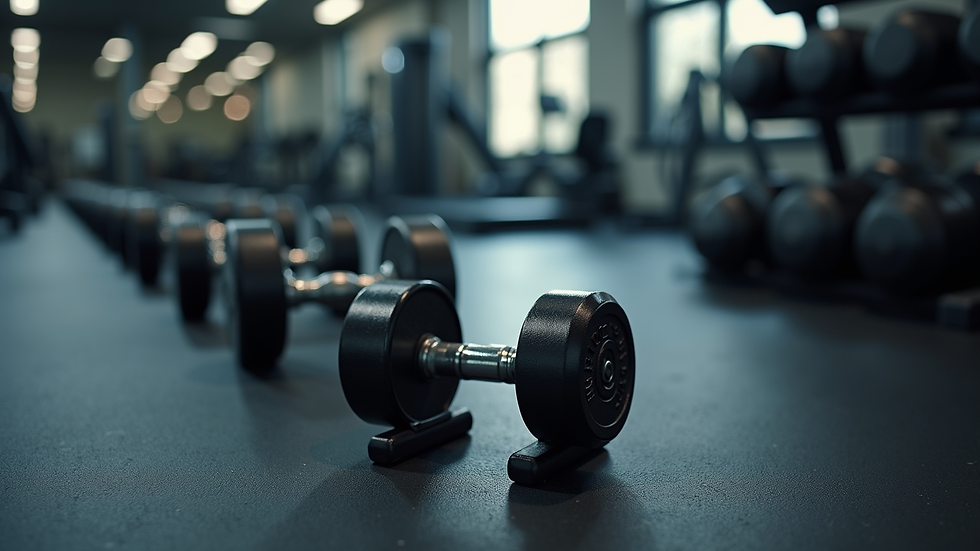
Strength training: Building muscle helps combat the natural loss of muscle mass and keeps your metabolism active.
Weight-bearing exercises: Activities like walking or light jogging help maintain bone density.
Flexibility and balance: Yoga or Pilates can improve your posture and reduce the risk of falls.
Cardiovascular workouts: Moderate cardio supports heart health and mood regulation.
Try to mix these elements into your weekly routine. For example, you could do strength training twice a week, cardio three times, and add yoga or stretching sessions on rest days. This balance helps your body stay resilient and energetic.

Nutrition Tips to Support Your Fitness Goals
Exercise is only part of the picture. What you eat plays a huge role in how you feel and perform. During menopause, your metabolism may slow down, and your body might need more nutrients to support bone and heart health.
Here are some simple nutrition tips:
Increase calcium and vitamin D: These nutrients are vital for strong bones. Include dairy, leafy greens, and fortified foods.
Eat plenty of protein: Protein helps maintain muscle mass. Think lean meats, beans, nuts, and fish.
Stay hydrated: Water supports all your body’s functions and can help with hot flushes.
Limit processed foods and sugar: These can increase inflammation and weight gain.
Include healthy fats: Avocados, olive oil, and oily fish support brain and heart health.
Planning your meals around these principles can make a big difference. You don’t have to overhaul your diet overnight. Start by adding one or two nutrient-rich foods each week.

What is the 4 8 12 Rule?
You might have heard about the 4 8 12 rule in fitness circles. It’s a simple way to structure your strength training sets to build muscle effectively, especially during menopause when muscle loss can accelerate.
Here’s how it works:
4 reps: Use a heavier weight that challenges you but allows only 4 repetitions.
8 reps: Use a moderate weight for 8 repetitions.
12 reps: Use a lighter weight for 12 repetitions.
This approach helps you work different muscle fibres and encourages strength and endurance. You can apply this rule to exercises like squats, lunges, or dumbbell presses. Start with weights that feel manageable and increase gradually as you get stronger.
Remember, the goal is to challenge your muscles without risking injury. If you’re new to strength training, consider working with a personal trainer who understands menopause fitness strategies.
Managing Menopause Symptoms Through Exercise
Exercise is a powerful tool to ease many menopause symptoms. It can help with hot flushes, mood swings, sleep problems, and weight gain. Here’s how:
Hot flushes: Regular moderate exercise can reduce their frequency and intensity.
Mood swings and anxiety: Physical activity releases endorphins, which boost your mood.
Sleep quality: Exercise helps regulate your sleep cycle, making it easier to fall and stay asleep.
Weight management: Combining cardio and strength training helps control weight and body composition.
Try to find activities you enjoy. Whether it’s dancing, swimming, or brisk walking, consistency is key. Even on days when motivation is low, a short walk or gentle stretching can make a difference.
Staying Motivated and Finding Support
Staying motivated during menopause can be tricky. Your energy levels might fluctuate, and you may feel frustrated by changes in your body. Here are some tips to keep you on track:
Set realistic goals: Focus on how you want to feel, not just numbers on a scale.
Track your progress: Keep a journal or use an app to celebrate small wins.
Find a workout buddy: Exercising with a friend can boost accountability and fun.
Consider professional coaching: A personal trainer who specialises in menopause can tailor workouts to your needs.
If you want expert guidance, check out women's health fitness coaching options. They can help you build a personalised plan that fits your lifestyle and goals.
Remember, this is your journey. Be kind to yourself and celebrate every step forward.
Menopause is a time of change, but it’s also an opportunity to focus on your health and strength. By adopting smart menopause fitness strategies, nourishing your body, and staying active, you can feel empowered and vibrant. Your body is capable of amazing things at every stage of life - let’s make sure you enjoy every moment of it.


Comments